How to Write a CV for a Student with No Job Experience
How to Write a CV for a Student with No Job Experience
Imagine a college student named Ali who just finished his degree and wants his first job. He opens his laptop, searches how to apply, and quickly realizes one problem he has no work experience to show. This is where most students get stuck. The good news is that learning How to Write a CV for a Student without experience is not difficult if you understand what employers actually look for. A strong CV is not about job history only, it is about showing your skills, potential, and attitude in the right way.
What is a CV and Why Do Students Need It?
A CV, or Curriculum Vitae, is a document that explains who you are, what you know, and what you can do. Even if you have never worked before, your CV still tells your story. Employers do not expect students to have years of experience. They want to see your education, skills, projects, and effort.
A well-written CV helps you:
- Get shortlisted for interviews
- Show your strengths clearly
- Compete with other candidates
- Build a professional image
If you want to understand the full structure in detail, you can learn more about what to include in a CV.
How to Write a CV for a Student Step by Step?
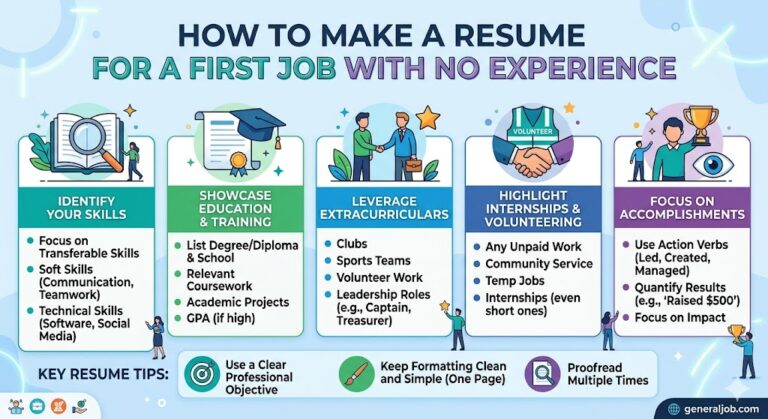
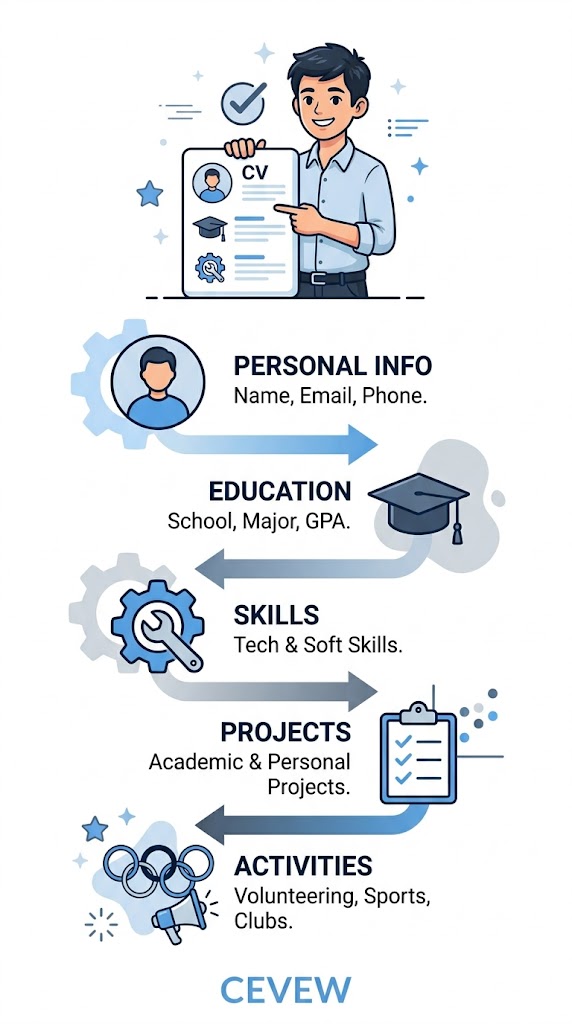
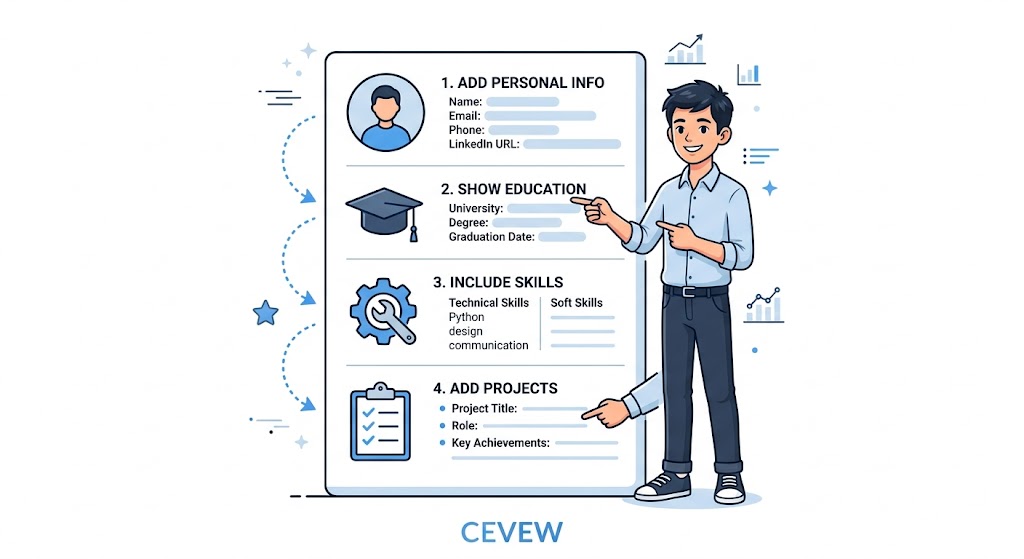
1. Start with Your Personal Information
Add basic details at the top of your CV:
- Full name
- Phone number
- Professional email
- City or location
Keep it simple. Do not add unnecessary details like religion or ID numbers.
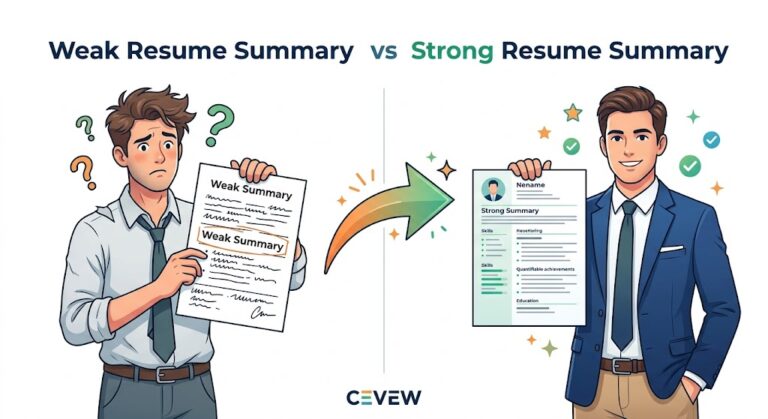
2. Write a Strong Personal Statement
This is a short paragraph where you explain who you are and what you want.
Example:
I am a motivated student with strong communication skills, looking for an opportunity to start my career and learn in a professional environment.
This section is important because it replaces work experience.
3. Focus on Your Education
Since you have no job experience, your education becomes your strength.
Include:
- Degree name
- School or college
- Year of completion
- Key subjects
If you have good grades, mention them clearly.
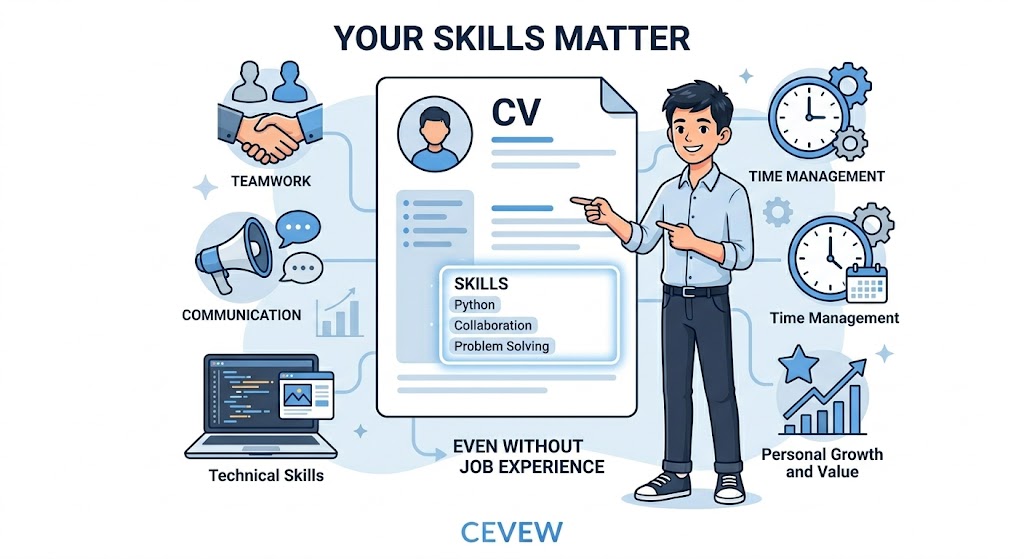
4. Highlight Your Skills
Skills are the most important part of a student CV. Think about what you can actually do.
Examples:
- Communication skills
- Teamwork
- Basic computer skills
- Time management
Use real-life examples. For example, if you worked on a group project, that shows teamwork.
5. Add Projects or Assignments
Projects act as your experience.
Examples:
- School presentations
- Final year project
- Online courses
- Personal website or blog
If you want to professionally present your work, you can read a guide on CV and Resumes to organize your projects.
6. Include Extra Activities
Activities show your personality and effort.
- Sports participation
- Volunteer work
- Student clubs
- Events organization
These prove you are active and responsible.
7. Keep the Format Clean and Simple
Formatting matters a lot. Use:
- Clear headings
- Simple fonts
- Bullet points
- One page only
If you want a ready structure, you can create your CV using guided instructions.
What Are the Best Practices for Student CV Writing?
Use Simple and Clear Language
Avoid complex words. Write like you speak. Employers prefer clarity.
Focus on Value, Not Just Information
Instead of writing well at communication, write presented projects in class confidently.
Keep It Honest
Do not add fake experience. Employers can easily detect it.
Customize for Each Job
If you apply for a teaching job, highlight teaching-related skills. If it is an IT job, focus on technical skills.
What Common Mistakes Should You Avoid?
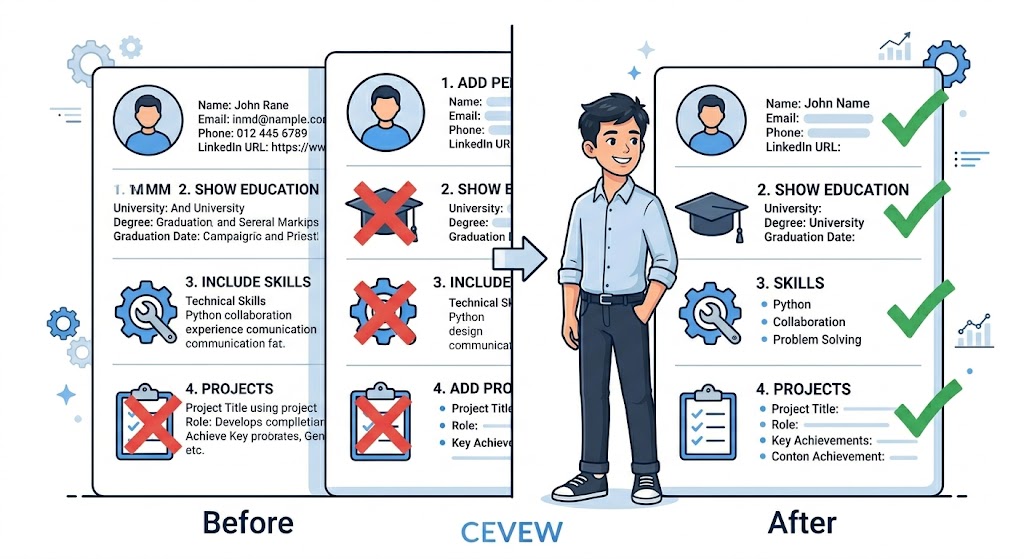
- Writing long paragraphs instead of bullet points
- Adding irrelevant personal details
- Using unprofessional email addresses
- Copying CV templates without editing
- Ignoring spelling mistakes
These mistakes can reduce your chances even if you have good skills.
What is the Best CV Format for Students?
The best format for students is a skills-based CV. This format focuses more on what you can do rather than what you have done.
Structure:
- Personal details
- Personal statement
- Skills
- Education
- Projects
- Activities
You can explore more CV layouts that hired you faster
Real-Life Examples You Can Follow
Example 1: Beginner with No Experience
Ali is a fresh student with no job history. He creates a CV focusing on:
- Education
- Class projects
- Communication skills
- Volunteer work
Result: He gets shortlisted because he shows effort and clarity.
Example 2: Student Applying for First Job
Sara applies for a part-time job. She adds:
- Customer dealing skills from helping in family business
- Time management from studies
- School event participation
Result: Employer sees her practical exposure even without a formal job.
Example 3: Freelancer Building a Portfolio
Ahmed wants to start freelancing. He creates a CV with:
- Skills like graphic design
- Sample work projects
- Online certifications
Result: Clients trust him because he shows real work instead of experience.
How to Make Your CV Stand Out Without Experience?
- Add measurable achievements like “completed 5 projects”
- Use action words like created, managed, designed
- Keep your design clean and professional
- Show learning attitude and growth mindset
FAQs
Can I write a CV with no experience?
Yes, you can. Focus on your skills, education, and projects instead of job history.
How long should a student CV be?
A student CV should be one page. Keep it short and clear.
What is better for students CV or resume?
Both are similar, but a CV gives more detail. You can learn the difference between cv vs resume.
Conclusion
Learning How to Write a CV for a Student is about understanding your strengths and presenting them clearly. You do not need job experience to create a strong CV. Focus on your education, skills, and real-life activities. Use simple language, keep your format clean, and always tailor your CV for each job. Start today, build your CV step by step, and take your first step toward your career.