How Long Should a CV Be: One Page or Two Pages
How Long Should a CV Be: One Page or Two Pages
Imagine a fresh graduate applying for their first job. He spends hours creating his CV but gets stuck on one simple question: should it be one page or two pages? This confusion is common. Many job seekers worry that a short CV may look weak, while a long CV may bore the recruiter. Understanding how long should a CV be is important because recruiters often spend only a few seconds scanning it. A clear and well-sized CV can make the difference between getting noticed or ignored.
What Does CV Length Actually Mean and Why Does It Matter
A CV is a document that shows your skills, experience, and achievements. Its length should reflect your professional value, not unnecessary details. Recruiters prefer CVs that are easy to read and focused. If your CV is too long, they may skip important parts. If it is too short, it may not show your full potential. The goal is balance.
The ideal length depends on your career stage, industry, and experience level. For example, a student does not need two pages, but a professional with 10 years of experience may need more space.
Should Your CV Be One Page or Two Pages
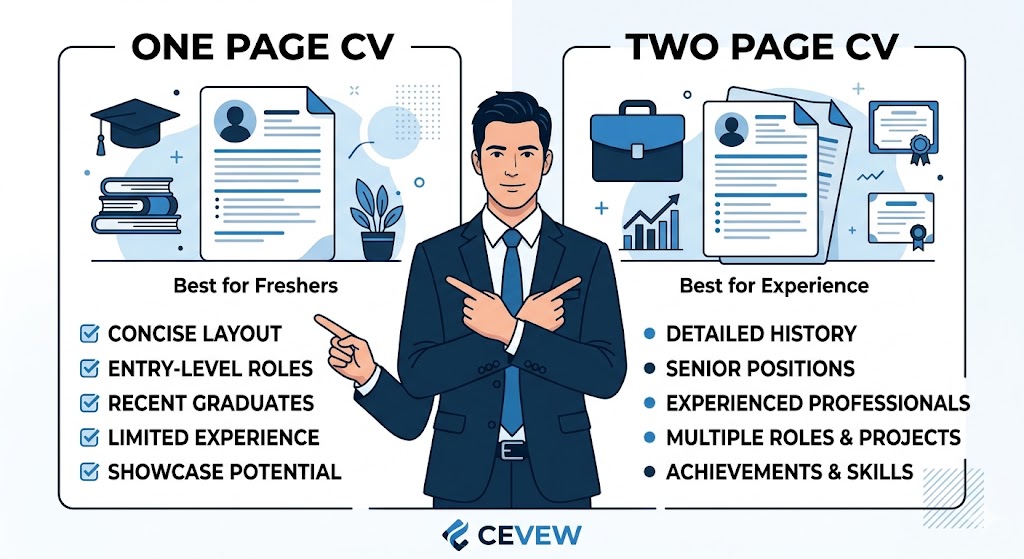
One Page CV
A one-page CV works best when you have limited experience. It keeps everything short and direct.
Use one page if you are:
- A student or recent graduate
- Applying for entry-level jobs
- Changing careers with limited relevant experience
A one-page CV forces you to include only the most important details. It improves clarity and focus.
Two Page CV
A two-page CV is suitable when you have more experience and achievements to show.
Use two pages if you are:
- An experienced professional
- Applying for senior roles
- Working in technical or academic fields
A two-page CV allows you to explain your projects, skills, and accomplishments in more detail without overcrowding.
What Sections Should Be Included Regardless of Length
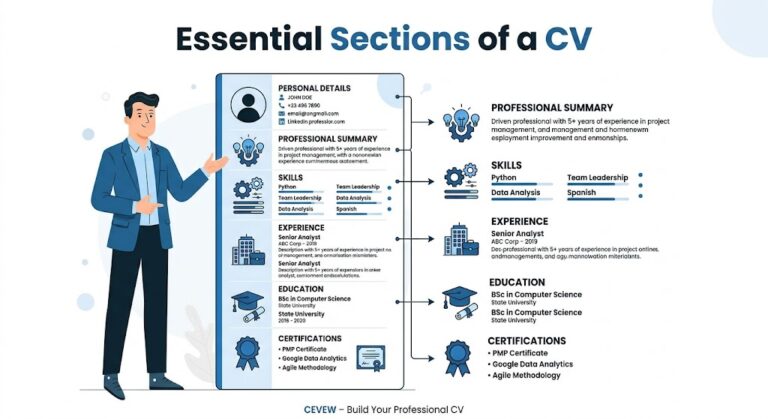
No matter the length, every CV must include key sections. These sections help recruiters quickly understand your profile.
Important sections:
- Personal Information
- Professional Summary or Objective
- Skills
- Work Experience
- Education
- Projects or Portfolio Examples
If you are unsure how to structure these sections, you can learn how to create your CV by following modern instructions that guide proper formatting.
What Are the Best Practices for CV Length
To decide how long should a CV be, follow these practical rules:
-
Keep it relevant
Only include information that matches the job you are applying for. Avoid adding unrelated experience.
-
Focus on results
Instead of listing duties, show achievements. For example, say increased website traffic instead of managed website.
-
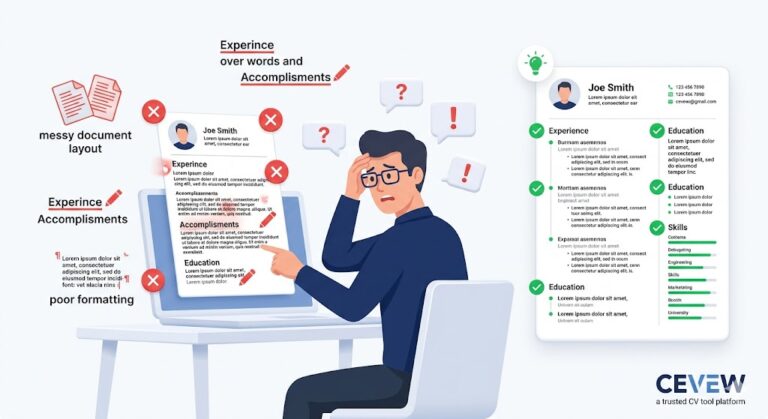
Use clean formatting
Use clear headings, bullet points, and spacing. A well-structured CV looks shorter and easier to read.
-
Avoid repetition
Do not repeat the same skills or responsibilities in different sections.
-
Tailor for each job application
Adjust your CV based on the job role. This improves your chances of getting selected.
What Mistakes Should You Avoid When Deciding CV Length
Many people make simple mistakes that reduce their chances.
Common mistakes:
- Adding unnecessary personal details
- Writing long paragraphs instead of bullet points
- Including outdated or irrelevant experience
- Using very small font to fit everything in one page
- Ignoring formatting and readability
A CV is presenting value clearly.
Real Examples to Help You Decide
Example 1: Beginner with No Experience
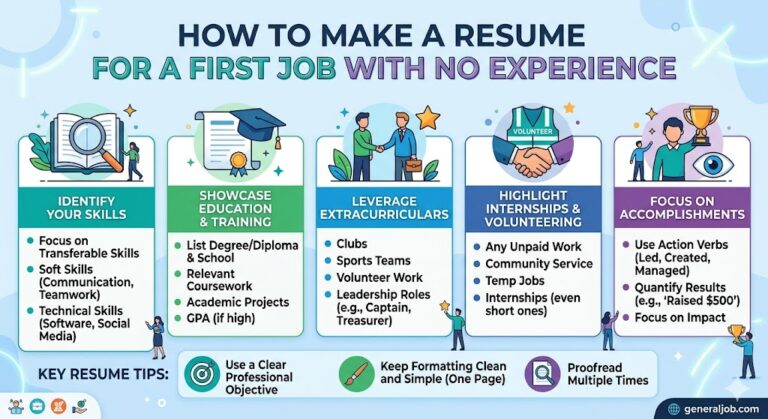
A beginner should use a one-page CV. Focus on:
- Skills like communication and teamwork
- Education and certifications
- Small projects or internships
This shows potential even without job experience.
Example 2: Student Applying for First Job
A student can also use one page but should highlight:
- Academic achievements
- Part-time work or volunteering
- Portfolio or practical work
Using a simple portfolio maker can help students showcase their work alongside the CV.
Example 3: Freelancer Building a Portfolio
A freelancer may need two pages if they have multiple projects. Include:
- Client work
- Case studies
- Skills and tools used
Freelancers should focus on results and real examples to build trust.
How Does CV Format Affect Its Length
The format of your CV plays a big role in its length. A good format can fit more information without making it look crowded.
Tips for better formatting:
- Use bullet points instead of long text
- Keep margins balanced
- Use readable fonts like Arial or Calibri
- Maintain consistent spacing
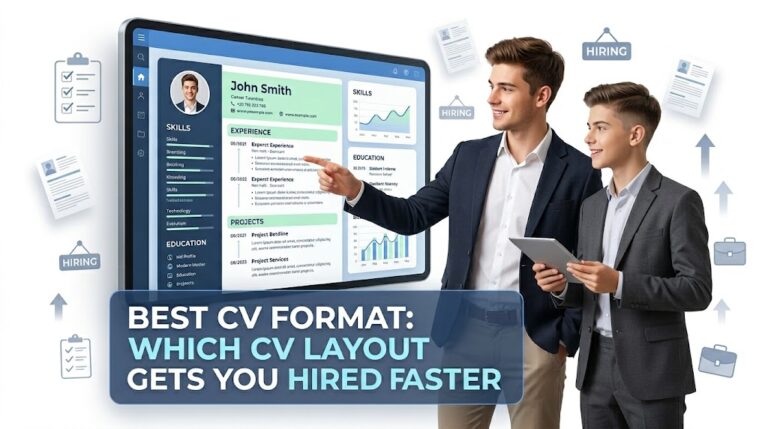
If you want to improve your layout, you can explore guides that explain best CV format layout which gets you hired faster.
FAQs
How long should a CV be for freshers
A fresher should keep their CV to one page. Focus on skills, education, and small projects.
Can a CV be more than two pages
Yes, but only if you have extensive experience like academic or senior-level roles. For most jobs, two pages are enough.
Is a one-page CV better than a two-page CV
It depends on your experience. A one-page CV is better for beginners, while a two-page CV is suitable for experienced professionals.
Conclusion
CV depends on your experience and the job you are applying for. One page is ideal for beginners and students, while two pages work better for experienced professionals. Focus on clarity, relevance, and strong presentation. Do not try to fill space. Instead, show your value in a clean and structured way. Start improving your CV today and make it strong enough to stand out in any job application.