How to Tailor Your Resume for Each Job Application
How to Tailor Your Resume for Each Job Application
Hassan is a fresh graduate who applied to 20 jobs using the same resume, but he did not get a single interview call. Then he made a small change. He started editing his resume for each job. Within two weeks, he got three interview calls. This is the real difference between a generic resume and a tailored one.
Understanding How to Tailor Your Resume is important because employers do not read every resume in detail. They scan for relevant skills and experience. If your resume does not match the job description, it gets ignored. A tailored resume shows that you understand the role and you are the right fit.
What Does It Mean to Tailor Your Resume?
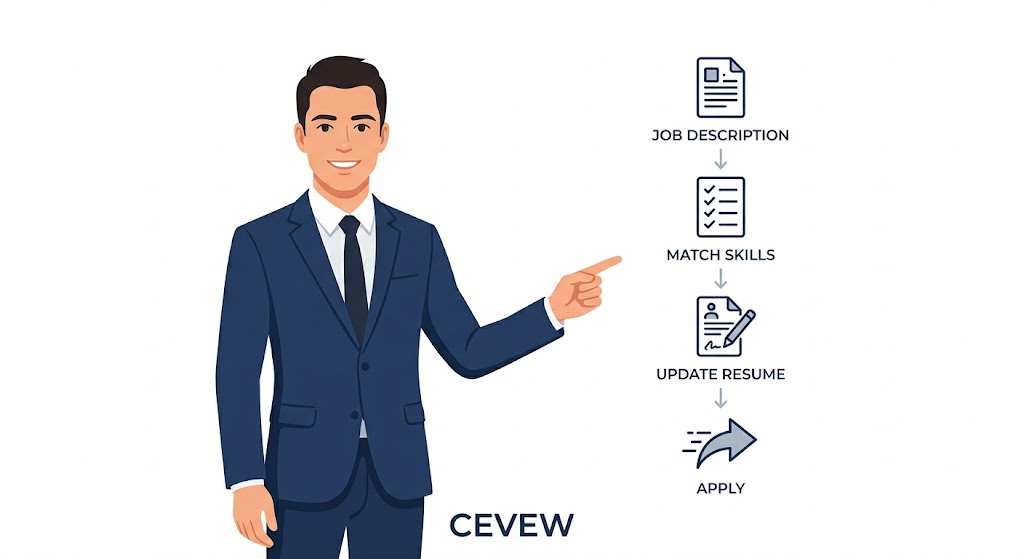
Tailoring your resume means adjusting your resume for each job application based on the job requirements. You do not create a new resume from scratch. Instead, you modify key sections to match what the employer wants.
Why is this important?
- Recruiters spend only a few seconds reviewing resumes
- Many companies use ATS software to filter resumes
- A tailored resume increases your chances of getting shortlisted
For example, if a job asks for SEO skills and your resume highlights general marketing only, you may get rejected even if you know SEO.
Which Sections Should You Customize in Your Resume?
You do not need to change everything. Focus on the sections that matter most.
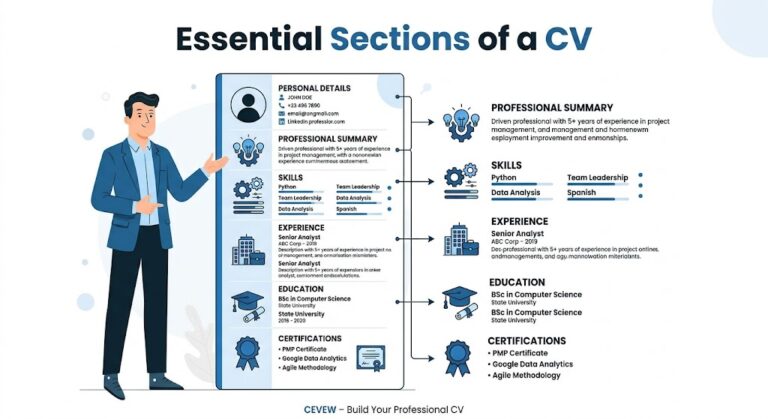
1. Professional Summary
Write a short summary that matches the job role.
If the job is for a content writer, mention writing, SEO, and research skills.
2. Skills Section
Adjust your skills based on the job description.
Use the same words mentioned in the job post.
3. Work Experience
Highlight relevant experience only.
Remove or shorten unrelated tasks.
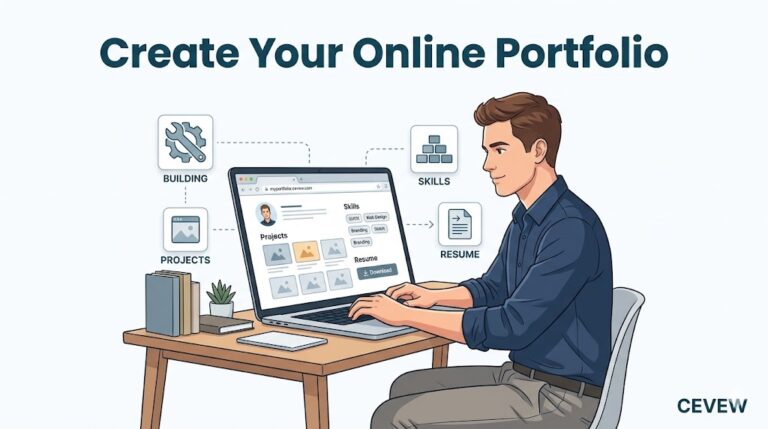
4. Projects or Portfolio
Add relevant projects or portfolio examples.
If you are a freelancer, this section becomes very important.
If you want to improve your structure, you can also read how to create your CV, which explains proper CV building step by step.
How to Tailor Your Resume Step by Step?
Follow this simple process every time you apply for a job.
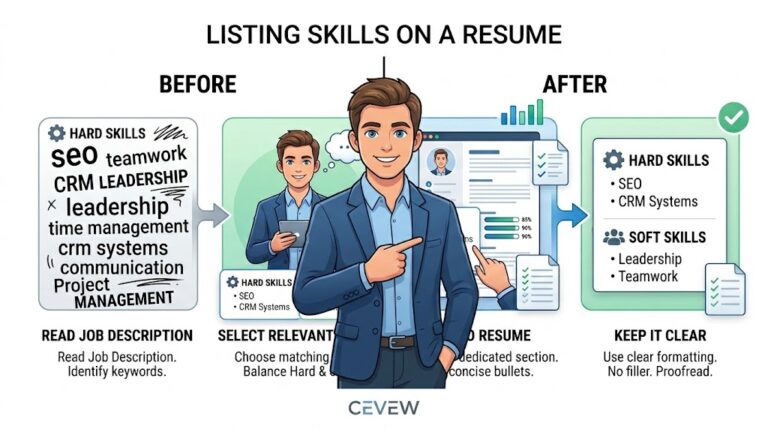
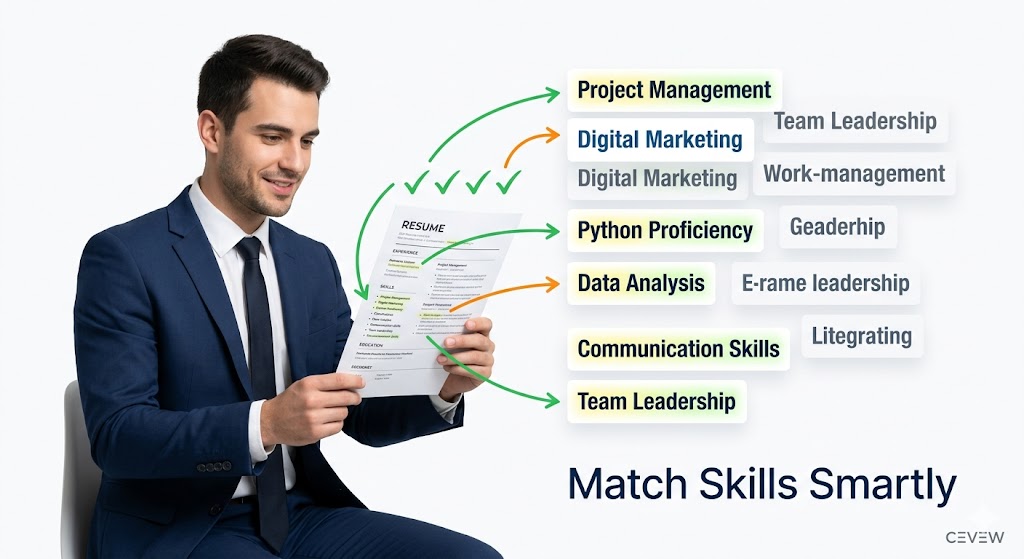
Step 1: Read the Job Description Carefully
Look for:
- Required skills
- Tools or software
- Experience level
Highlight important keywords.
Step 2: Match Keywords in Your Resume
Use the same words in your resume.
For example, if the job says content optimization, use that exact phrase.
Step 3: Adjust Your Summary
Make your summary relevant to that job.
Keep it short and focused.
Step 4: Update Skills Section
Add only relevant skills.
Remove unnecessary ones.
Step 5: Edit Experience Points
Focus on achievements related to the job.
Use action words like created, improved & managed.
What Are the Best Practices for Resume Tailoring?
Do’s
- Use clear and simple language
- Keep formatting clean and consistent
- Focus on results, not just duties
- Use bullet points for readability
Don’ts
- Do not send the same resume everywhere
- Do not add irrelevant skills
- Avoid long paragraphs
- Do not lie about experience
If you are confused about structure, you can explore the best CV format which CV layout gets you hired faster to understand modern formatting.
How Should You Format a Tailored Resume?
Good formatting improves readability and helps recruiters scan your resume quickly.
Simple Formatting Tips
- Use one clean font
- Keep headings bold
- Use bullet points instead of long text
- Keep resume length 1 to 2 pages
Example:
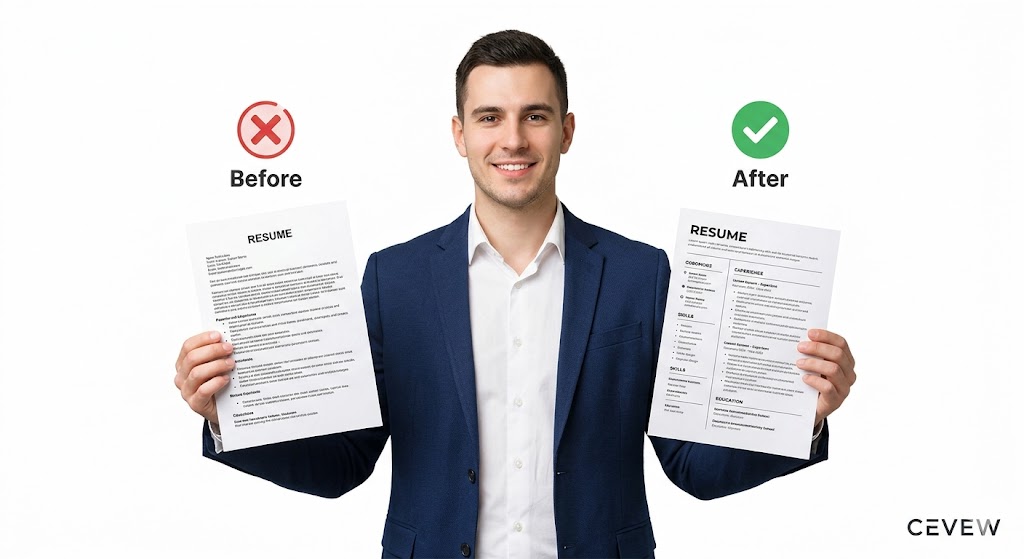
Instead of writing a paragraph, write:
- Managed social media campaigns
- Increased engagement by 30 percent
- Created SEO content
This makes your resume easy to read.
Real-Life Examples of Tailored Resumes
1. Beginner With No Experience
Ahmed is a beginner. He has no job experience.
He tailors his resume by:
- Adding skills like communication and basic computer knowledge
- Including small projects from school
- Writing a strong summary
This helps him show potential instead of experience.
2. Student Applying for First Job
Sara is applying for an internship.
She tailors her resume by:
- Highlighting academic projects
- Adding relevant coursework
- Showing teamwork and leadership
She also builds a simple portfolio. You can learn what a portfolio to understand how it helps students stand out.
3. Freelancer Building a Portfolio
Usman is a freelancer.
He tailors his resume by:
- Adding client work and results
- Linking his portfolio
- Showing niche skills like SEO writing
He focuses more on results than job titles.
What Are Common Mistakes When Tailoring a Resume?
Many people make simple mistakes that reduce their chances.
- Copying the job description exactly
- Overloading with keywords
- Ignoring ATS optimization
- Keeping irrelevant information
Tailoring does not mean copying. It means matching your real experience with job needs.
FAQs
1. How many times should I update my resume?
You should update it for every job application. Small changes can make a big difference.
2. Is tailoring a resume time-consuming?
It takes 10 to 15 minutes once you understand the process. It is worth the effort.
3. Can I use one master resume?
Yes. Keep one master resume and edit it for each job. This saves time.
Conclusion
Learning How to Tailor Your Resume is one of the most important skills in job searching. A generic resume gets ignored, but a tailored resume gets noticed. Focus on matching your skills, experience, and projects with the job requirements. Use clear formatting and real examples to show your value.
Start today. Pick one job, tailor your resume, and apply with confidence. This simple step can change your career path.