Resume Objective vs Summary: Which One Should You Write
Resume Objective vs Summary: Which One Should You Write
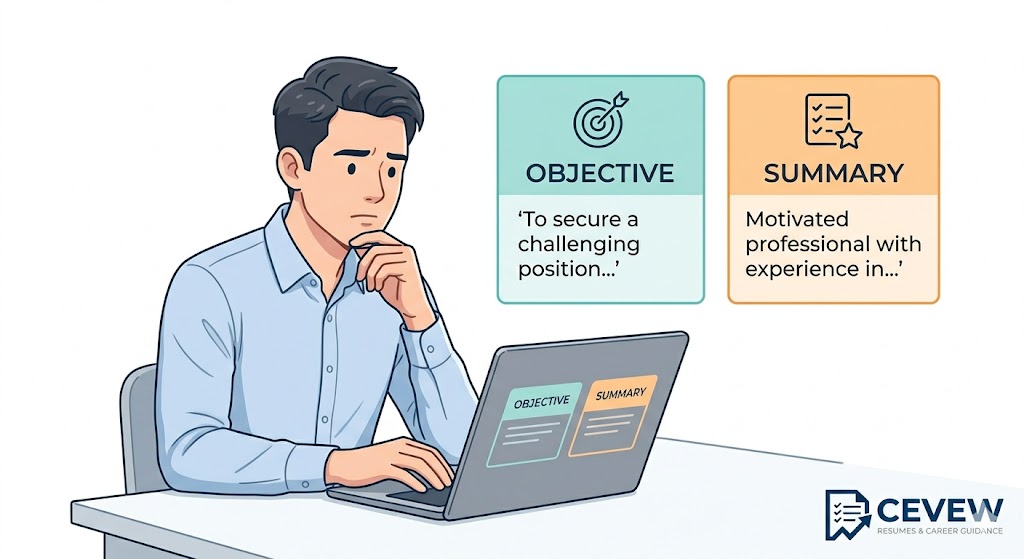
Imagine a fresh graduate applying for jobs online. He opens a resume template and gets stuck at the top section. Should he write a resume objective or a resume summary? This confusion is very common, especially for students, beginners, and freelancers trying to present themselves in the best way.
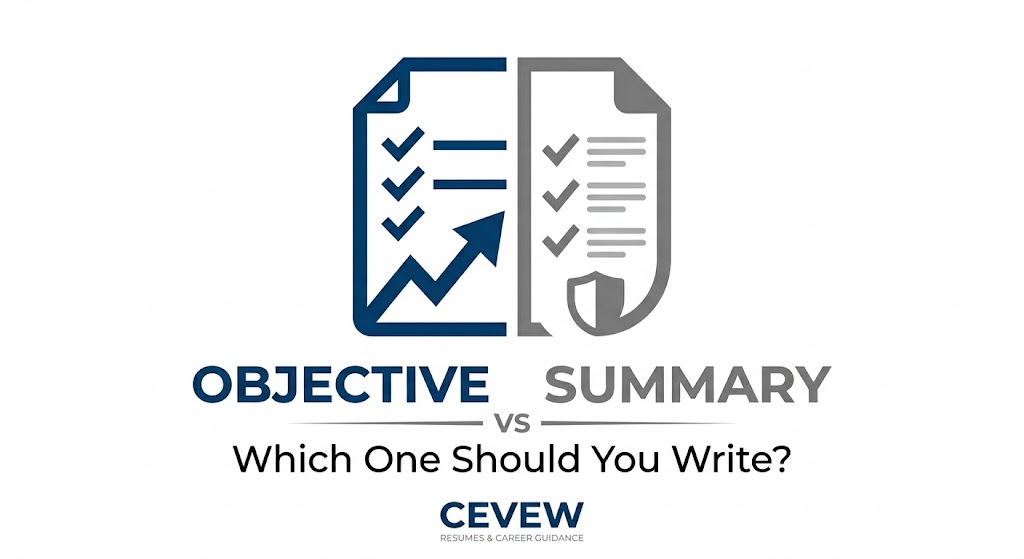
Understanding the difference between Resume Objective vs Summary is important because this small section decides whether a recruiter reads your resume or skips it. It acts like your first impression. If done right, it clearly shows your skills, experience, and career direction in seconds.
What is a Resume Objective and When Should You Use It
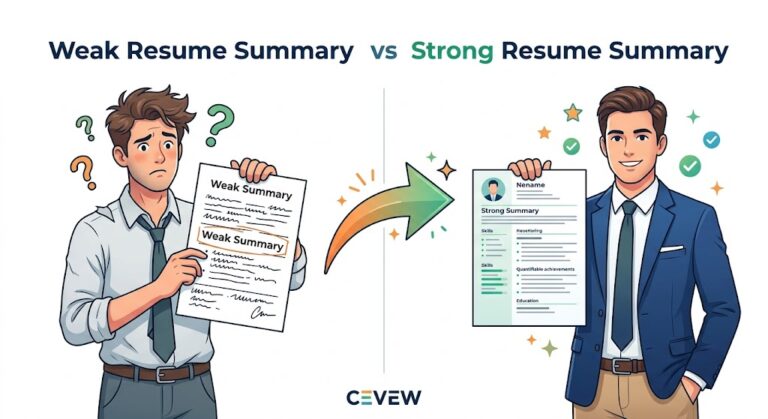
A resume objective is a short statement that explains your career goals and what you want from the job. It focuses more on your future rather than past experience.
Key Purpose of Resume Objective
- Shows your career direction
- Explains why you are applying
- Highlights your motivation
When You Should Use It
You should use a resume objective if:
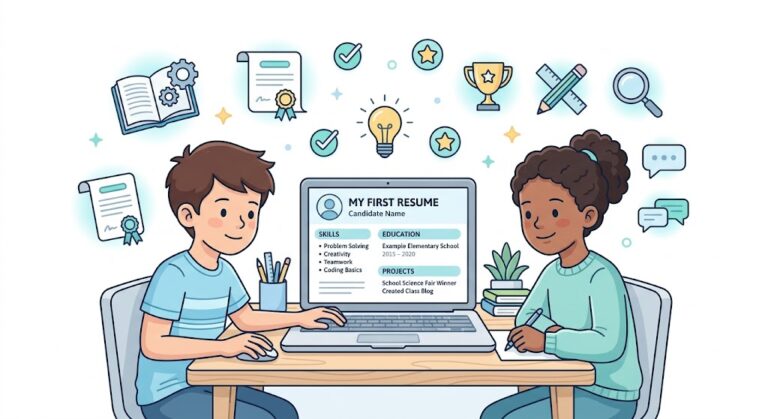
- You are a student or fresher
- You have no or limited experience
- You are changing careers
Example
Motivated students seeking an entry-level marketing role where I can apply my communication skills and grow professionally.
This approach works well if you are trying to create your CV online and need a clear starting point.
What is a Resume Summary and Who Should Write It
A resume summary is a short paragraph that highlights your experience, achievements, and key skills. It focuses on what you already bring to the company.
Key Purpose of Resume Summary
- Shows your professional value
- Highlights your achievements
- Demonstrates your expertise
When You Should Use It
You should write a summary if:
- You have 2+ years of experience
- You have specific achievements
- You want to show strong expertise
Example
Experienced SEO specialist with 3+ years of experience in increasing website traffic and improving search rankings using proven strategies.
If you want to learn more about structuring this section, you can explore this guide on how to write a professional summary for your resume.
Resume Objective vs Summary: What Are the Key Differences
Understanding the difference between Resume Objective vs Summary helps you choose the right one based on your situation.
Main Differences
| Feature | Resume Objective | Resume Summary |
|---|---|---|
| Focus | Future goals | Past experience |
| Best For | Beginners | Experienced professionals |
| Length | 1–2 lines | 3–4 lines |
| Tone | Learning-focused | Achievement-focused |
Simple Explanation
- Objective = What I want to do
- Summary = What I have done and can do
How Do You Choose Between Resume Objective and Summary
Choosing the right option depends on your current stage.
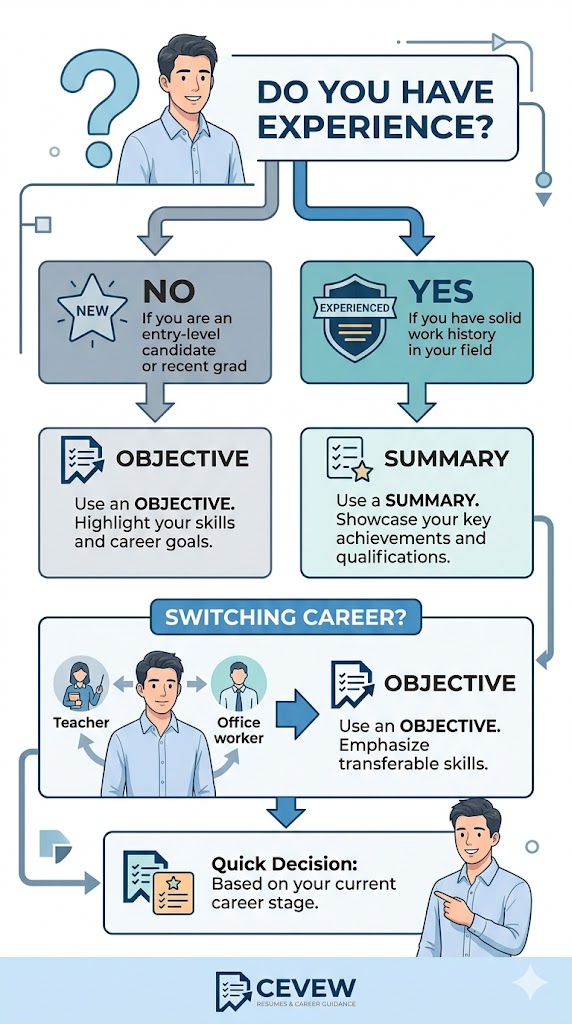
Step-by-Step Decision Guide
- Ask yourself: Do I have real work experience?
- If NO → Write an objective
- If YES → Write a summary
- If switching career → Use objective with transferable skills
Pro Tip
If your experience is weak, a strong objective with skills can still create impact.
When to Use Resume Objective vs Summary
Resume Objective Best Practices
- Keep it short and clear
- Focus on skills and goals
- Avoid generic lines like seeking a challenging role
- Customize for each job application
Resume Summary Best Practices
- Include numbers or results if possible
- Highlight 2–3 key achievements
- Use strong action words
- Match job requirements
To improve your content further, you can also learn how to list skills on a resume properly.
What Common Mistakes Should You Avoid
Mistakes in Resume Objective
- Writing vague statements
- Not mentioning skills
- Copy-pasting generic lines
Mistakes in Resume Summary
- Making it too long
- Adding irrelevant experience
- Not showing results
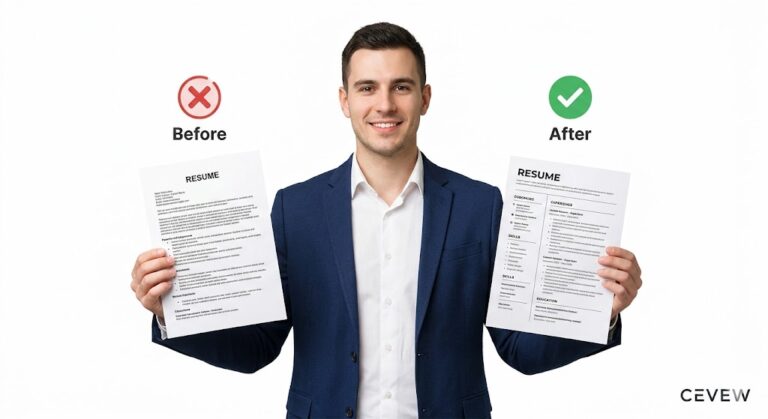
A weak opening section can make your resume look unprofessional, even if your skills are strong.
What Are Real-Life Examples You Can Follow
Example 1: Beginner With No Experience
A student applying for their first internship should use a resume objective.
Step-by-step approach:
- Mention your field (e.g., IT, marketing)
- Add 1–2 key skills
- Show willingness to learn
Example:
Computer science students seeking an internship to apply coding skills and gain real-world experience.
Example 2: Student Applying for First Job
A graduate can combine skills with career goals.
Example:
Business graduates looking for an entry-level role to use analytical and communication skills in a professional environment.
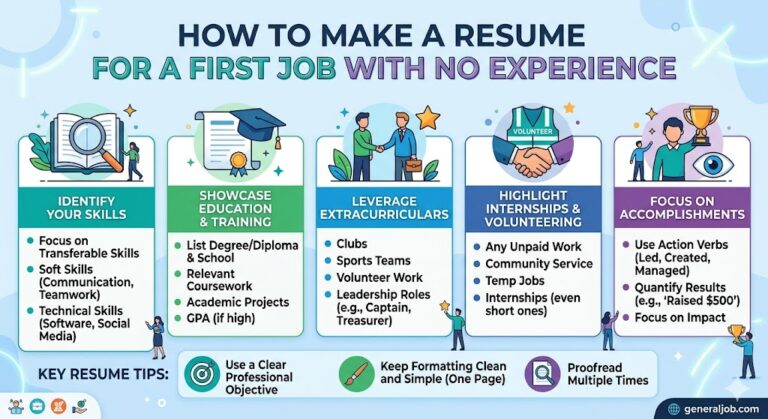
This works well if you are also learning how to make a resume for a first job with no experience.
Example 3: Freelancer Building Portfolio
A freelancer with experience should use a summary.
Step-by-step:
- Mention years of work
- Highlight projects
- Show results
Example:
Freelance graphic designer with 4 years of experience creating branding solutions for clients worldwide.
How Should You Format These Sections Properly
Formatting Tips
- Place at the top of your resume
- Use clear and simple language
- Keep it aligned with job role
- Avoid long paragraphs
Ideal Length
- Objective: 1–2 lines
- Summary: 3–4 lines
Proper formatting improves readability and helps recruiters quickly understand your value.
FAQs
Should I include both resume objective and summary
No. Use only one. Including both makes your resume confusing and less focused.
Can I replace objective with summary as a beginner
Yes, but only if you can show real skills or projects. Otherwise, objective is better.
How long should a resume summary be
Keep it short, around 3–4 lines, focusing on key achievements and skills.
Conclusion
Choosing between Resume Objective vs Summary is simple when you understand your level. If you are just starting, go with a clear objective that shows your goals and skills. If you already have experience, write a strong summary that highlights your achievements.
The goal is not just to fill space but to make a strong first impression. Take time to write this section carefully, because it can decide whether your resume gets noticed or ignored. Start improving your resume today and make it more professional and focused.