What Is a Portfolio and Why Every Professional Needs One
What Is a Portfolio and Why Every Professional Needs One
Ali was a fresh graduate applying for jobs. He had a simple CV, but every time he applied, he got no response. One day, a senior advised him to create a portfolio showing his real work. Within weeks, he started getting interview calls. The difference was simple. Employers could finally see what he could actually do, not just what he wrote.
This is why understanding What Is a Portfolio is important today. Whether you are a student, job seeker, or freelancer, a portfolio shows your real skills, projects, and experience in a practical way. It builds trust and helps you stand out in a competitive job market.
What Is a Portfolio and How Does It Work?
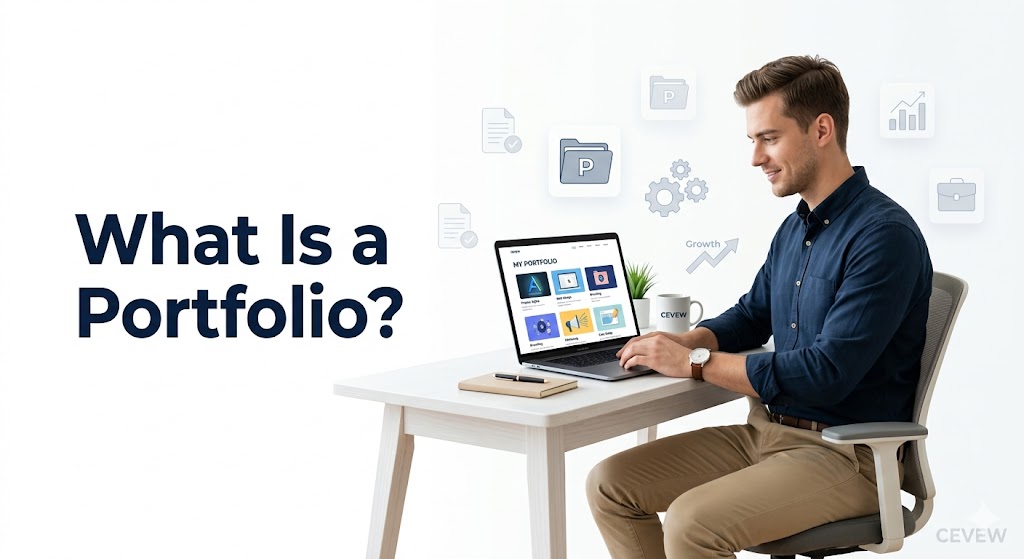
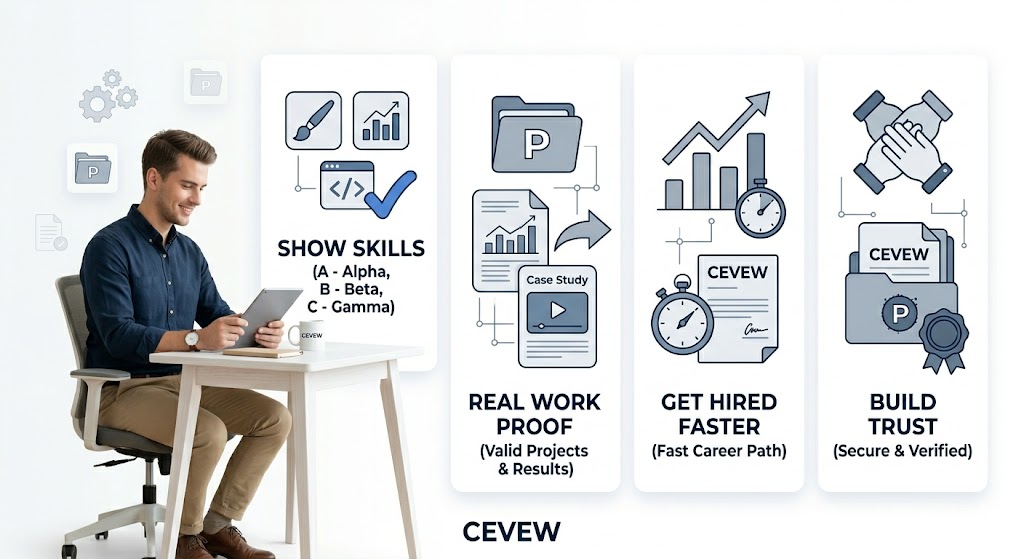
A portfolio is a collection of your work that shows your skills, experience, and achievements. Instead of just telling employers what you can do, it shows proof.
Think of it like this. A resume says I am good at web design. A portfolio shows real websites you built.
Key Purpose of a Portfolio
- Show real work examples
- Prove your skills with evidence
- Build trust with employers or clients
- Increase chances of getting hired or selected
In simple words, a portfolio answers one important question: Can you actually do the job?
What Should You Include in a Professional Portfolio?
A strong portfolio is not just random work. It is organized and focused.
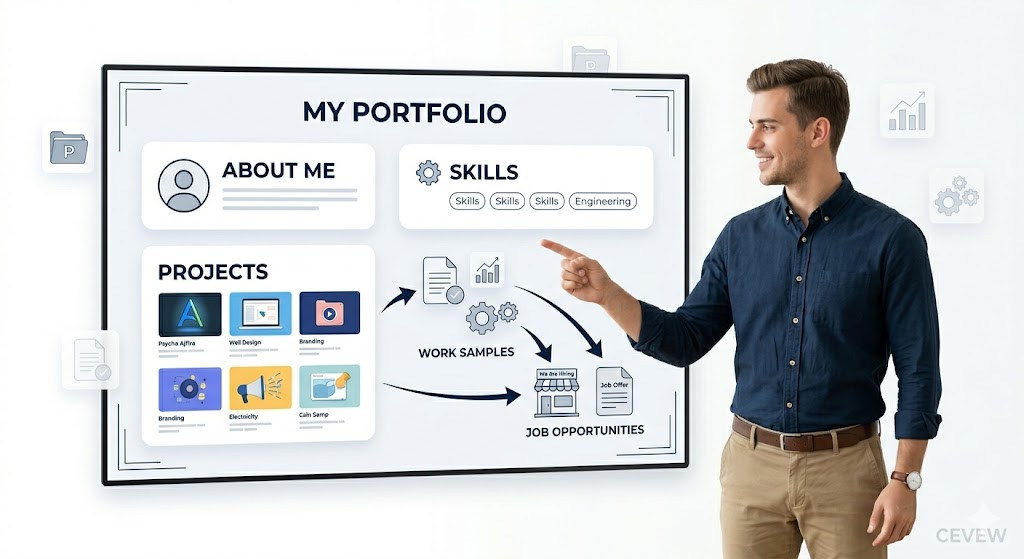
Essential Sections of a Portfolio
-
Introduction/About Me
A short, clear summary of who you are and what you do.
-
Skills Section
List your key skills like design, writing, coding, or marketing.
-
Work Samples or Projects
This is the most important part. Show real examples of your work.
-
Experience or Case Studies
Explain how you completed projects and what results you achieved.
-
Contact Information
Make it easy for employers or clients to reach you.
If you already plan to create your CV online, your portfolio should match your CV and support it with real examples.
Why Is a Portfolio Important for Career Growth?
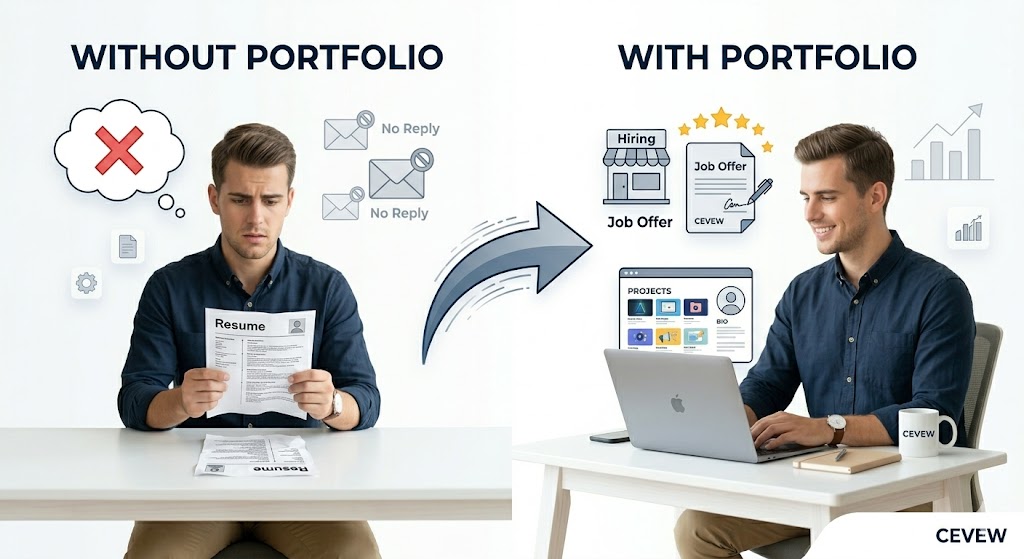
A portfolio gives you a clear advantage over others who only rely on resumes.
Key Benefits
- Helps employers trust your skills quickly
- Makes you stand out in job applications
- Shows your practical experience
- Useful for freelancing and remote work
- Builds your personal brand
For example, two candidates apply for the same job. One sends only a CV. The other sends a CV plus a portfolio with real projects. The second candidate is more likely to get selected.
How Is a Portfolio Different from a Resume or CV?
Many people confuse these terms, but they are different.
| Feature | Resume/CV | Portfolio |
|---|---|---|
| Purpose | Summary of skills and experience | Proof of actual work |
| Format | Text-based | Visual or project-based |
| Content | Education, skills, history | Real projects and results |
| Impact | Tells | Shows |
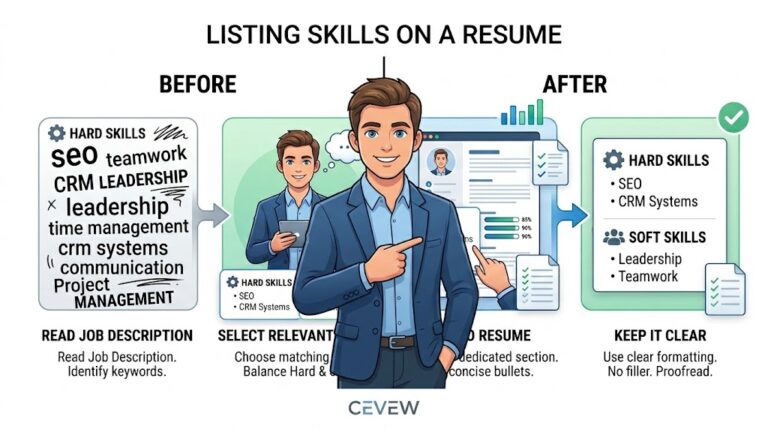
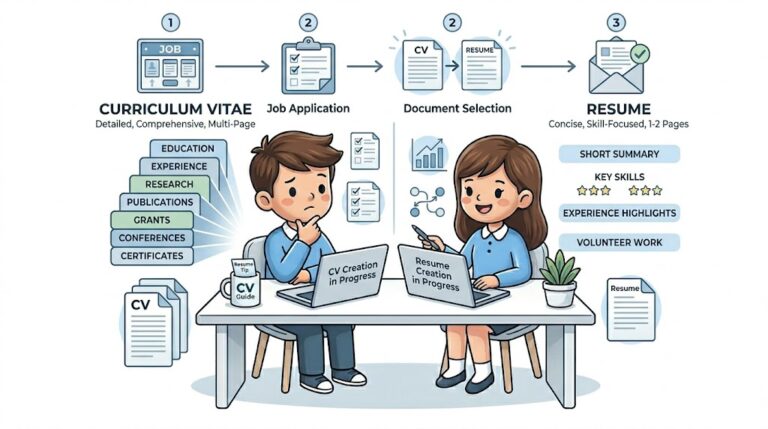
Your resume gets attention, but your portfolio builds confidence. If you want to improve your resume, learn from this guide how to list skills on a resume
How to Create a Portfolio Step by Step?
Creating a portfolio is simple if you follow the right process.
Step-by-Step Guide
-
Choose Your Best Work
Select 3 to 6 strong projects that show your skills clearly.
-
Explain Each Project
Describe what you did, how you did it, and the result.
-
Keep It Simple and Clean
Avoid too much design or clutter. Focus on clarity.
-
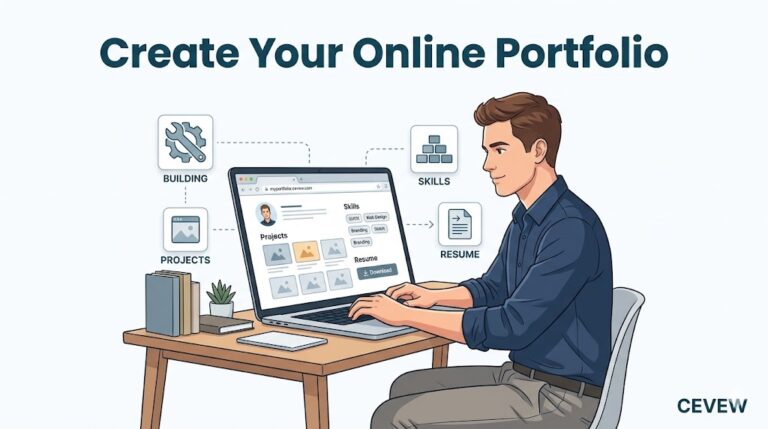
Use an Online Platform
Build your portfolio on a website or use a reliable portfolio maker.
-
Update Regularly
Add new projects and remove outdated ones.
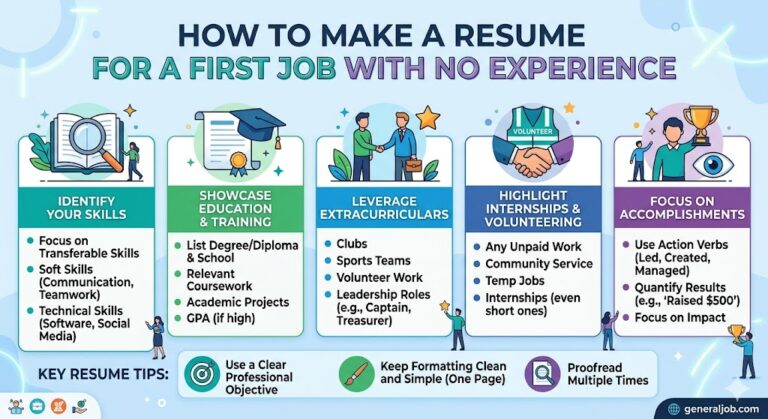
If you are also building a resume, this guide can help: how to write a resume with no work experience
What Are the Best Practices for a Strong Portfolio?
A good portfolio is not about quantity. It is about quality.
Best Practices
- Show only your best work
- Use simple language to explain projects
- Add real results where possible
- Keep design clean and professional
- Make it easy to navigate
Common Mistakes to Avoid
- Adding too many weak projects
- Not explaining your role clearly
- Using outdated work
- Poor formatting or design
- No contact details
For better structure ideas, you can also explore: best cv format which cv layout gets you hired faster
Real-Life Examples of Portfolio Use
1. Beginner with No Experience
Ahmed had no job experience but created sample projects like a basic website and blog articles. He added them to his portfolio. This showed employers his ability, even without a job history.
2. Student Applying for First Job
Sara included her university assignments, presentations, and group projects in her portfolio. This helped her prove her practical skills during interviews.
3. Freelancer Building a Portfolio
Usman started freelancing in graphic design. He created sample logos and social media posts, added them to his portfolio, and shared them with clients. This helped him get his first paid project.
Each example shows one thing clearly. A portfolio creates opportunities even when experience is limited.
How Should You Format a Portfolio for Best Results?
Formatting plays a big role in how your portfolio is perceived.
Simple Formatting Tips
- Use clear headings and sections
- Keep consistent fonts and colors
- Add images or screenshots of work
- Write short and clear descriptions
- Make it mobile-friendly
A clean and structured portfolio builds trust instantly.
FAQs About Portfolio
What Is a Portfolio in simple words?
A portfolio is a collection of your best work that shows your skills and abilities with real examples.
Do I need a portfolio if I already have a CV?
Yes. A CV tells about your skills, but a portfolio shows proof. Both together give stronger results.
Can beginners create a portfolio without experience?
Yes. Beginners can use sample projects, practice work, or academic assignments to build a portfolio.
Conclusion
Understanding What Is a Portfolio can change your career direction. It is not just an extra document. It is your proof of skills, your personal brand, and your strongest tool in job applications.
If you are serious about getting hired or growing your freelance career, start building your portfolio today. Combine it with a strong CV and clear skills, and you will stand out in any competitive market.