How to Write a Resume with No Work Experience
How to write a resume with no work experience and still get noticed
Writing a resume with no work experience is a common problem, especially for students or fresh graduates. Imagine you just finished school and want your first job, but every job asks for experience. It feels like a loop. The truth is, employers do not only hire experience, they hire potential, skills, and attitude. A well-structured resume can clearly show what you are capable of, even if you have never worked before. This guide explains exactly how to build that kind of resume step by step, using practical examples and simple logic.
What should you include in a resume if you have no experience
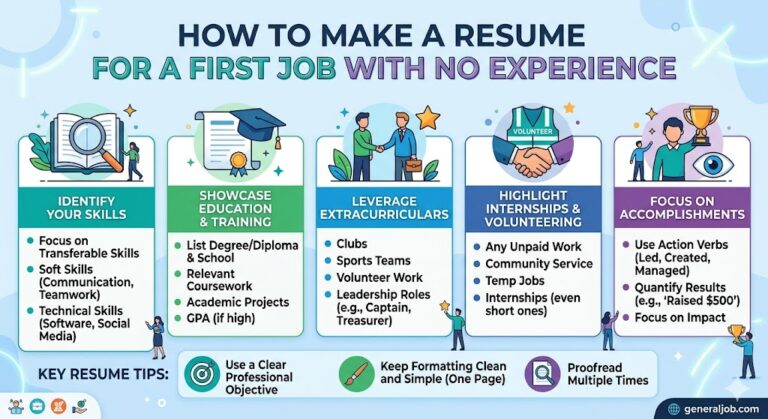
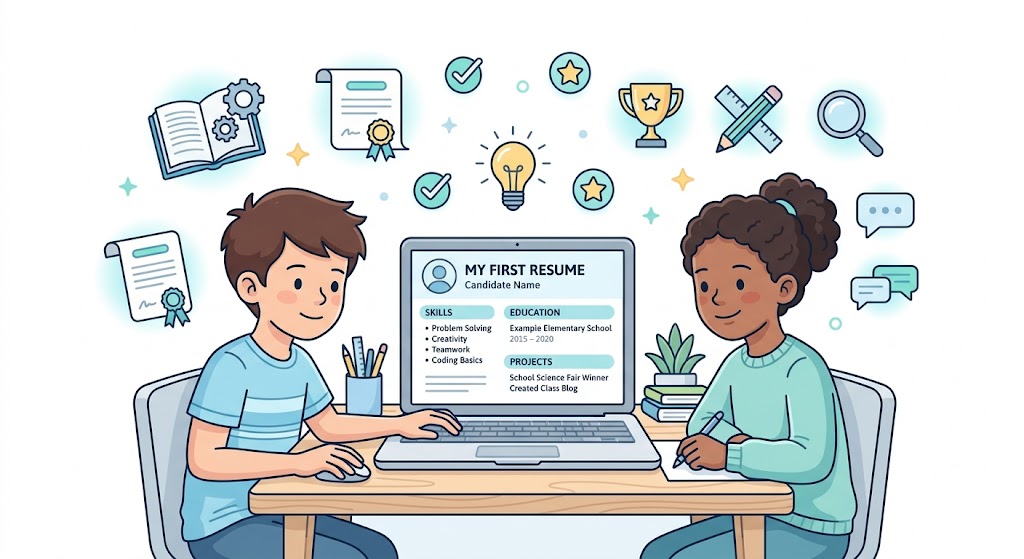
When you lack job history, your focus shifts from experience to value demonstration. You need to show what you can do instead of where you worked. A strong beginner resume usually includes these sections:
- Contact Information
- Professional Summary or Objective
- Education
- Skills
- Projects or Assignments
- Volunteer Work or Activities
- Certifications (if any)
Each section works like a puzzle piece. Together, they create a complete picture of your ability. If you want a deeper understanding of basic structure, you can explore this detailed guide on CV writing through this resource how to write a cv which explains formatting in a simple way.
How should you structure your resume step by step
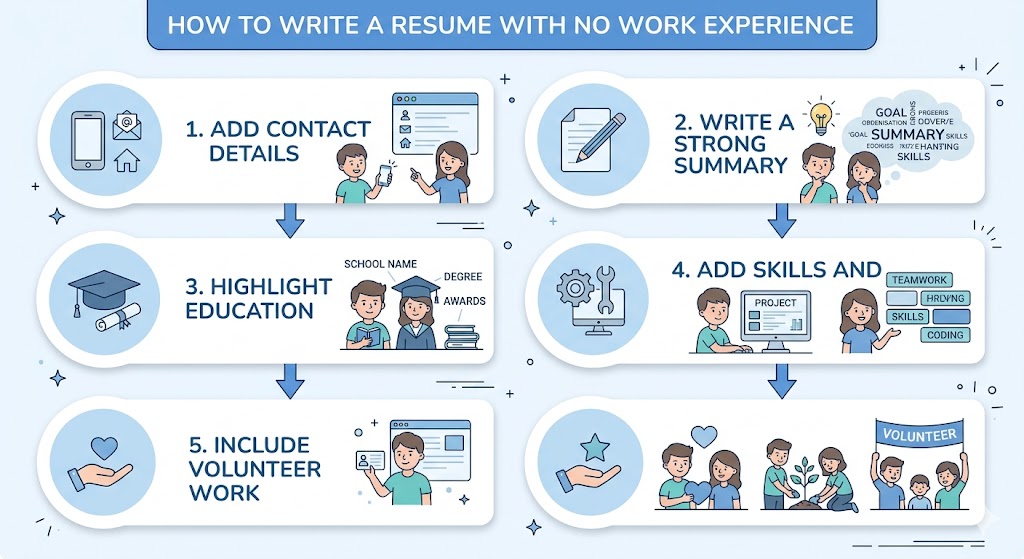
A clear structure makes your resume easy to read and increases your chances of selection. Follow this simple order:
Step 1: Add your contact details
Write your name, phone number, email, and city. Keep it clean and professional.
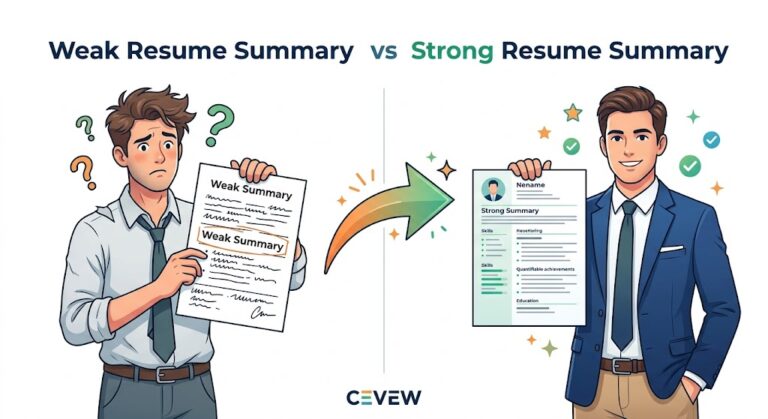
Step 2: Write a strong summary
This is your first impression. In 2–3 lines, explain who you are and what you can offer.
Example:
A motivated student with strong communication and problem-solving skills, eager to contribute to a dynamic team and grow professionally.
Step 3: Highlight your education
Mention your degree, school name, and key subjects. If you scored well, include your grades.
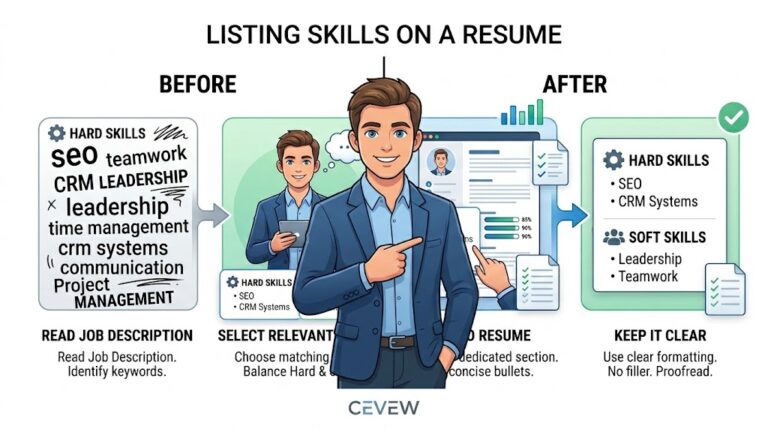
Step 4: Show your skills
Focus on job-relevant skills, not random ones.
- Communication
- Time management
- Basic computer skills
- Teamwork
Step 5: Add projects or coursework
This replaces work experience. Show what you have done in real situations.
Step 6: Include volunteer work
Even unpaid work builds credibility and shows responsibility.
If you want to compare how resumes differ from CVs, this guide explains it clearly cv vs resume.
How can you show value without job experience
This is where most people struggle, but the solution is simple. You convert your activities into proof of ability.
Example 1: School Project
Situation: You created a presentation for class
Resume version:
Developed a structured presentation on climate change using research and data analysis
Why it works: It shows research and communication skills
Example 2: Group Assignment
Situation: You worked in a team
Resume version:
Collaborated with a team of 4 students to complete a business case study
Why it works: It highlights teamwork and coordination
Example 3: Volunteer Work
Situation: You helped organize an event
Resume version:
Assisted in organizing a community event attended by 200+ participants
Why it works: It shows responsibility and organization skills
These examples prove a simple rule:
Real-life activities = professional value when explained properly
How does a resume builder help in this process
A resume builder simplifies the process by guiding you step by step. Instead of guessing what to write, you follow a structured system.
Inputs
- Your education details
- Skills
- Projects or activities
- Basic personal information
Process logic
The resume builder organizes your data into proper sections. It uses predefined formats and aligns your content based on hiring standards.
Simple logic example in code format:Resume Strength = Skills + Projects + Clarity + Relevance
Outputs
- Clean, professional resume layout
- Proper formatting
- Optimized wording for recruiters
This reduces errors and saves time. If you want more writing insights and examples, you can explore additional learning content at blog section which covers related topics in detail.
What mistakes should you avoid in a beginner resume
Even a good resume can fail due to small mistakes. Avoid these:
- Writing long paragraphs instead of bullet points
- Using casual or unprofessional language
- Adding irrelevant skills
- Leaving empty sections
- Using complicated fonts or designs
Think of your resume like a clean shop display. If it looks confusing, people walk away.
How can you make your resume stronger instantly
You can improve your resume quickly with these proven tips:
- Use action words like developed, created, managed
- Keep sentences short and clear
- Focus on results, not just tasks
- Match your skills with the job description
- Keep the layout simple and readable
A hiring manager usually scans a resume in a few seconds. Your goal is to make those seconds count.
FAQs
Can I get a job without experience
Yes, many entry-level jobs hire based on skills and potential. A strong resume increases your chances significantly.
Should I include hobbies in my resume
Only include hobbies if they show useful skills like leadership, creativity, or discipline.
How long should my resume be
Keep it one page. Short, clear, and focused works best for beginners.
Conclusion
In Resume you can represent your real abilities in a smart way. Focus on skills, projects, and education. Use simple language, clear structure, and real examples. A well-written resume can open doors even without job history. Start building your resume today, test different formats, and improve it step by step as you grow.