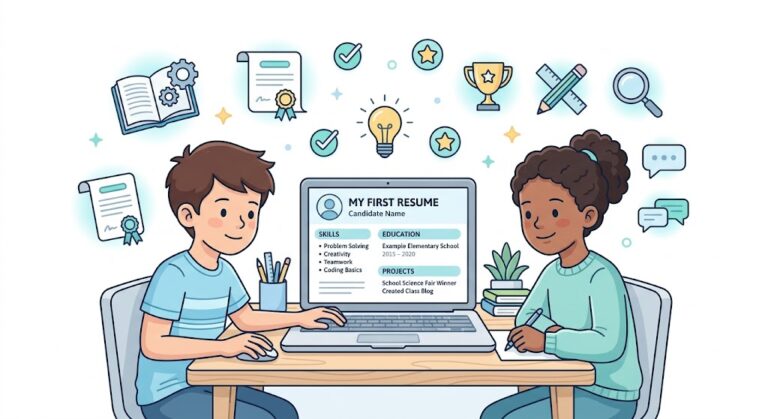
How to Make a Resume for a First Job with No Experience
How to Make a Resume for a First Job with No Experience
Ali just finished college and wants his first job. He opens his laptop, searches online, and gets confused. Every example shows years of experience, but he has none. This is a common problem. Many students and beginners feel stuck because they think experience is everything.
The truth is simple. You can still build a strong resume without job experience. You just need to present your skills, education, and potential in the right way. This guide will show you exactly how to do that step by step in a practical and easy way.
What Is a Resume and Why Is It Important for Your First Job
A resume is a short document that shows who you are, what you can do, and why a company should hire you. Even if you have no job history, it still matters.
For a beginner, a resume is not about past jobs. It is about showing your abilities, learning attitude, and real-life skills. Employers understand that fresh candidates are new. They look for effort, clarity, and basic professionalism.
If you build it correctly, your resume can open doors even without experience.
How to Make a Resume for a First Job with No Experience Step by Step
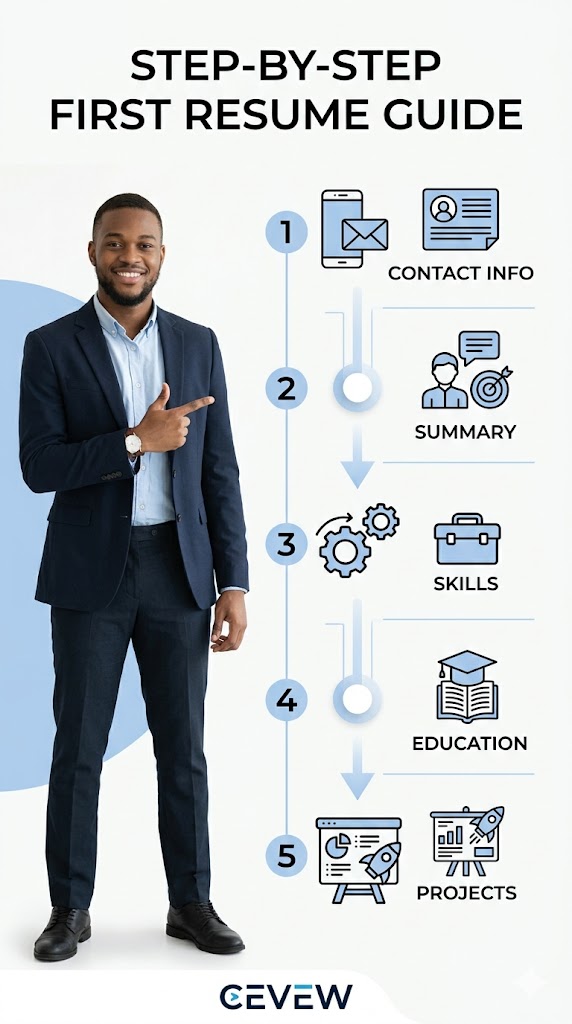
1. Start with Your Contact Information
Keep it simple and clear. Add:
- Full name
- Phone number
- Email address
- City
Make sure your email looks professional. Avoid funny or random names.
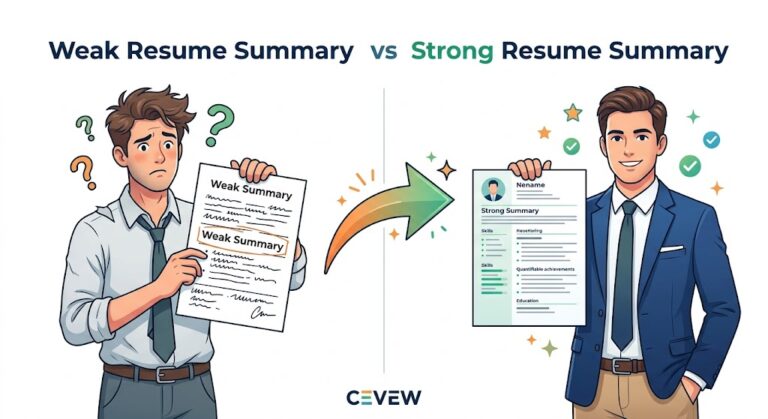
2. Write a Strong Resume Summary
This is the first thing an employer reads. Write 2 to 3 lines about yourself. Focus on skills and goals.
Example:
Motivated student with strong communication skills and basic knowledge of digital marketing. Looking for an opportunity to learn and grow in a professional environment.
This is where many beginners fail. They either skip it or write something too generic.

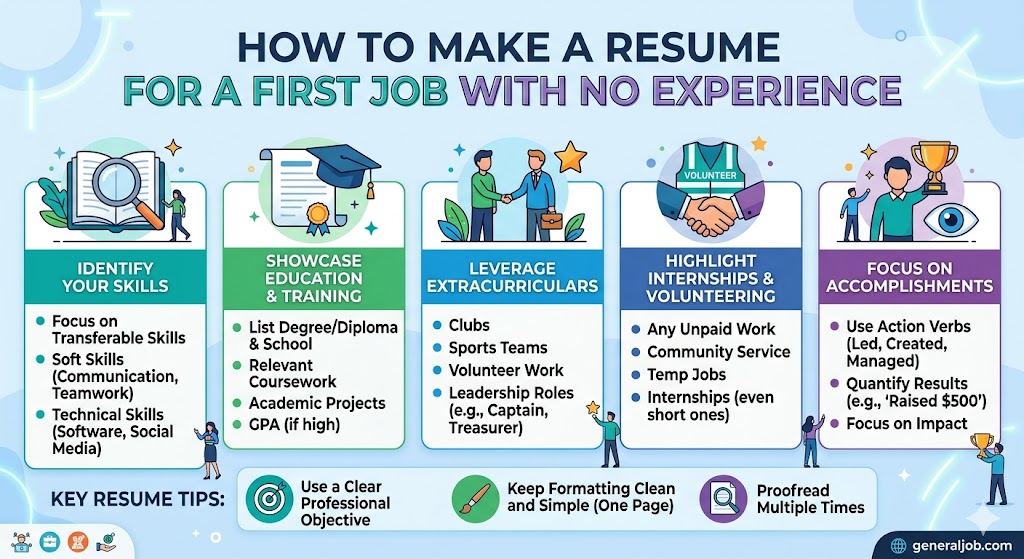
3. Highlight Your Skills Clearly
Even without job experience, you have skills. Think about what you learned in school or daily life.
Examples:
- Communication
- Time management
- Basic computer skills
- Social media handling
- Writing or design
Use bullet points so it looks clean and easy to read.
4. Add Your Education Section
This becomes your strongest section. Include:
- Degree or qualification
- School or college name
- Year of completion
You can also add achievements like good grades or projects.
5. Include Projects or Practical Work
Projects are very powerful. They show real effort.
Examples:
- Created a blog website
- Designed a logo
- Managed a small social media page
If you want to present your work better, you can create your CV online.
6. Add Certifications or Courses
Online courses can boost your profile. Even free courses matter.
Examples:
- SEO basics
- Graphic design
- Microsoft Office
This shows that you are serious about learning.
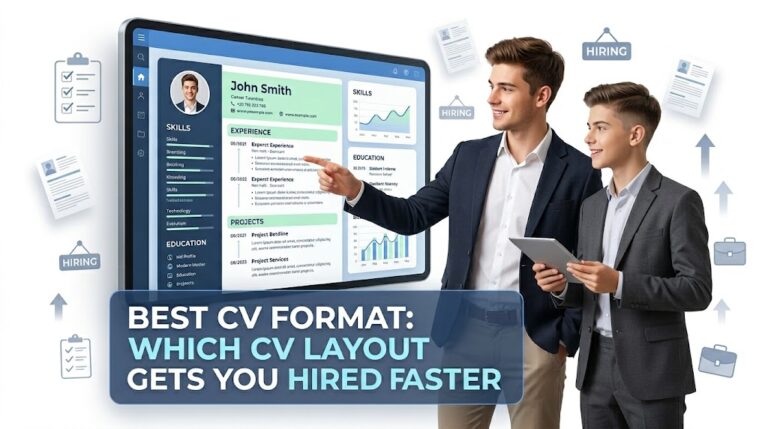
7. Keep the Format Clean and Simple
A clean layout increases your chances of getting noticed.
Best tips:
- Use simple fonts
- Keep one page only
- Use clear headings
- Avoid too many colors
You can learn more about layouts in this guide on first job resume format https://cevew.com/best-cv-format-which-cv-layout-gets-you-hired-faster/
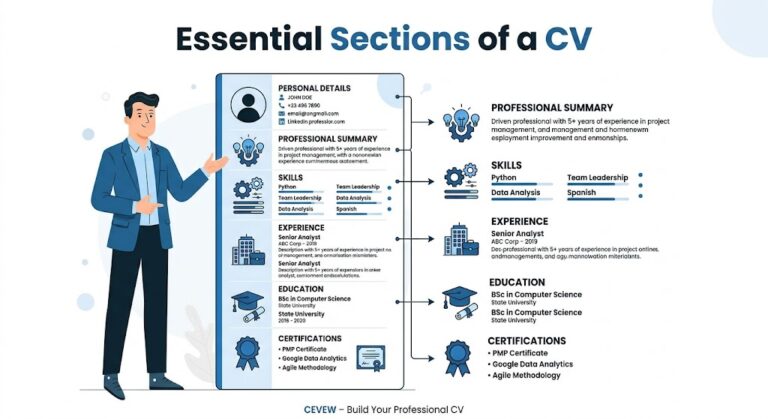
What Are the Most Important Sections in a Beginner Resume
A strong resume for beginners should include:
- Contact information
- Resume summary
- Skills
- Education
- Projects or activities
- Certifications
Avoid adding unnecessary sections like references unless asked.
What Mistakes Should You Avoid in Your First Resume
Many beginners make simple mistakes that reduce their chances.
Common mistakes:
- Writing long paragraphs
- Adding fake experience
- Using unprofessional email
- Poor formatting
- Spelling errors
Keep your resume honest and simple. That builds trust.

Real-Life Examples You Can Follow
Example 1: Student with No Experience
Ahmed is a college student. He has no job history. He adds his education, skills like communication, and a college project. This helps him get an internship.
Example 2: Beginner Applying for First Job
Sara wants a customer service job. She highlights her communication skills and school activities like organizing events. This shows she can handle people.
Example 3: Freelancer Starting a Career
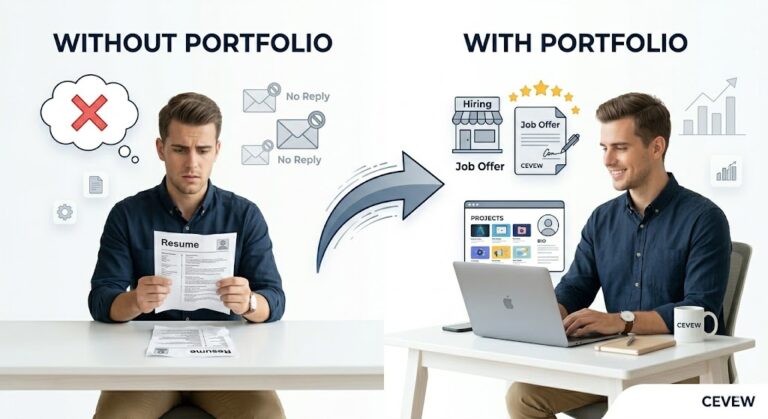
Bilal wants to work online. He creates small projects like blog writing and social media posts. Then he builds a simple portfolio. You can explore a blog section here.
How Can You Improve Your Resume Without Experience
Improvement comes from action.
You can:
- Learn new skills online
- Work on small personal projects
- Volunteer for simple tasks
- Build a portfolio
Each step adds value to your resume.
FAQs
1. Can I get a job without experience?
Yes. Many companies hire beginners. They look for skills, attitude, and willingness to learn.
2. What should I write instead of experience?
Write skills, projects, education, and certifications. These replace job experience for beginners.
3. How long should my resume be?
Keep it one page. Short and clear resumes are easier to read and more effective.
Conclusion
Now you understand how to make a resume for a first job with no experience. The key is simple. Focus on what you have, not what you don’t. Skills, education, and small projects can make a big difference.
Start today. Build your resume step by step. Improve it with time. Every expert was once a beginner. The sooner you start, the faster you grow.